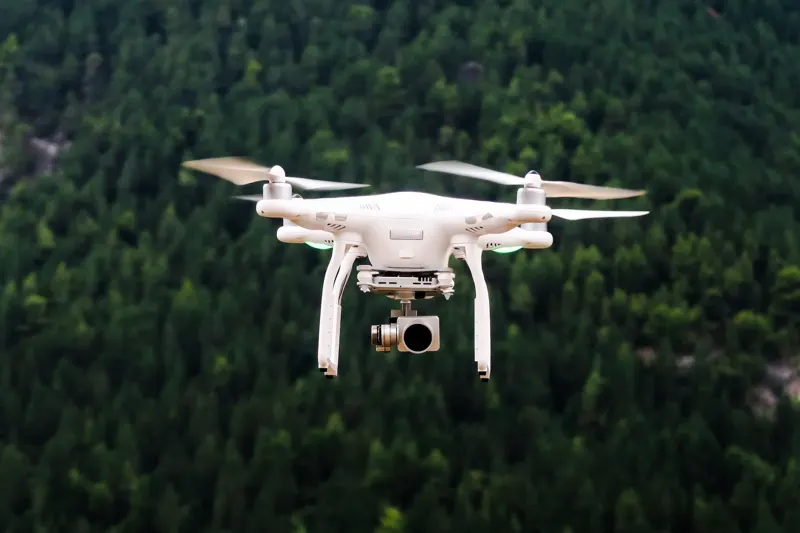
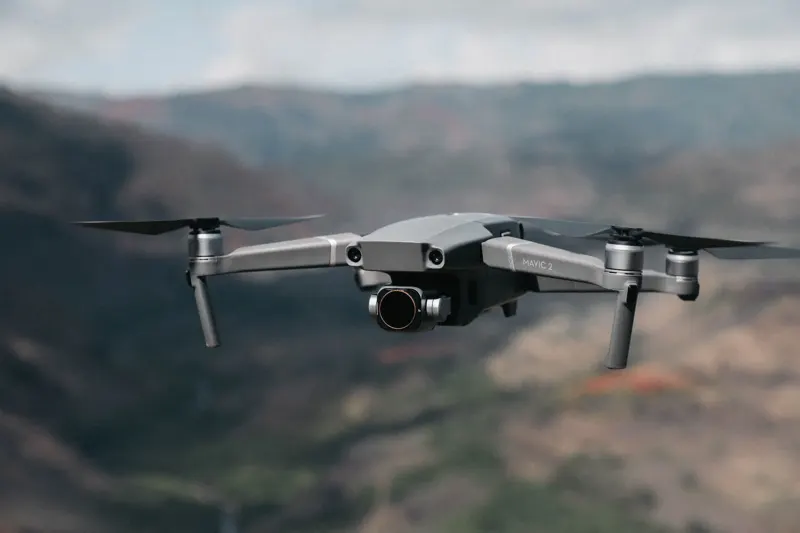
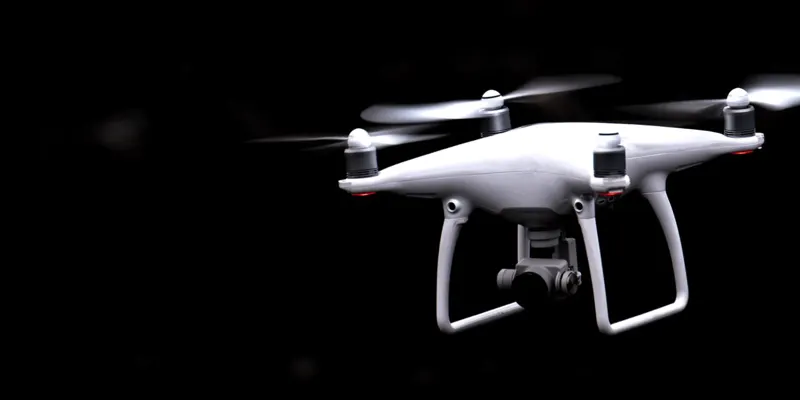
The best drones for beginners aren’t always the cheapest, and they’re definitely not the most expensive. They’re the ones that make learning easy and forgive small mistakes. This guide shows which features genuinely help a new pilot, and which ones you can safely ignore.
What Makes a Drone Good for Beginners?
A beginner-friendly drone does three things well. It holds its position on its own, it comes home when something goes wrong, and it’s cheap enough to fix after the odd bump. Everything else is a bonus.
It also helps if the drone is easy to set up. A clear app, simple pairing and helpful on-screen warnings mean you spend your time flying rather than reading forums. That matters more than people expect in the first few weeks, when confidence is fragile and one bad experience can put you off for good.
Features Worth Paying For
GPS Position Hold
This is the big one. When you let go of the sticks, a GPS drone stops and hovers in place. Without it, the drone drifts with every breeze and you’re fighting it constantly. For a first drone, treat GPS as non-negotiable.
Automatic Return to Home
Return to home (RTH) flies the drone back to its takeoff point if the battery runs low, the signal drops or you press the button. It has saved countless first drones. Read what to do when your drone loses signal to see why it matters.
A Real 3-Axis Gimbal
If you want nice video, a mechanical 3-axis gimbal is worth the money. It keeps footage level and smooth even when you’re still learning to fly gently.
Light Weight
Drones under 250 g are easier to travel with and, in many countries, face simpler rules. Check the details in our drone laws for beginners guide.
Obstacle Sensing
Even basic forward and downward sensors help. They won’t make a drone crash-proof, but they catch a lot of the classic beginner moments, like drifting into a tree while watching the screen.
Features You Can Skip for Now
- 8K video. It creates huge files and needs strong editing hardware. 4K is plenty.
- Very long range claims. You’ll be flying within sight anyway.
- Racing-level speed. Fast drones are harder to control and crash harder.
- Lots of complex smart modes. Nice later, but they won’t teach you to fly.
- Interchangeable lenses or pro add-ons. Great for pros, wasted on week one.
Red Flags When Shopping
Be careful with drones that have no brand support, no spare parts and no app updates. Watch for flight time claims that seem too good to be true, and for “4K” cameras that only upscale lower-resolution video. Our drone specs explained guide helps you read a spec sheet properly.
A Simple Beginner Checklist
| Feature | Must have | Nice to have |
|---|---|---|
| GPS hover | ✓ | |
| Return to home | ✓ | |
| 3-axis gimbal | ✓ | |
| Under 250 g | ✓ | |
| Obstacle sensing | ✓ | |
| Spare batteries | ✓ |
Budget Tips for Your First Drone
Keep some money aside for at least two extra batteries and a set of spare propellers. Three batteries turn a short 20-minute session into an hour of practice. That makes a much bigger difference to your progress than a slightly better camera.
You can see how far each battery goes with our drone flight time calculator, and compare drone types quickly with the drone comparison tool.
Our Pick for New Pilots
The Skysdrone mini drone was designed with these exact points in mind: GPS hover, one-tap return to home and a light frame that’s easy to carry. If photography is your main goal, the Skysdrone camera drone adds a bigger sensor.
Once your drone arrives, follow our step-by-step guide on how to fly a drone for the first time. And if you’re still deciding, the wider guide on how to choose a drone covers nine key factors.