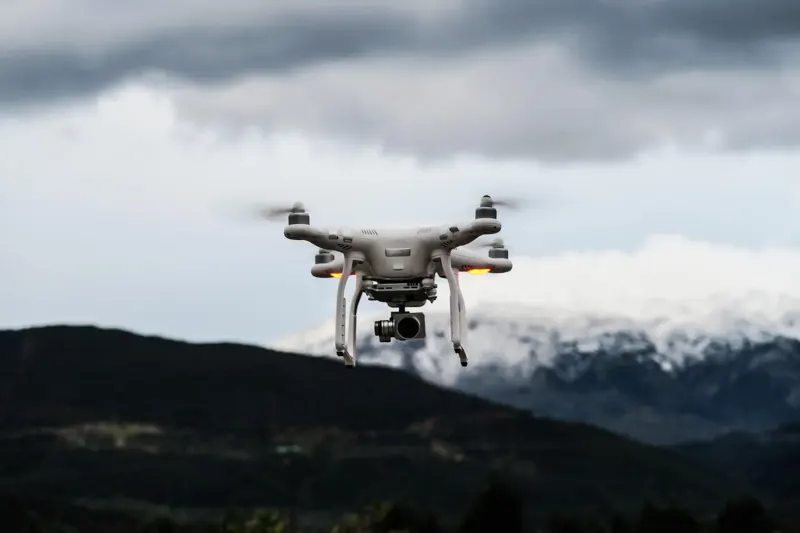
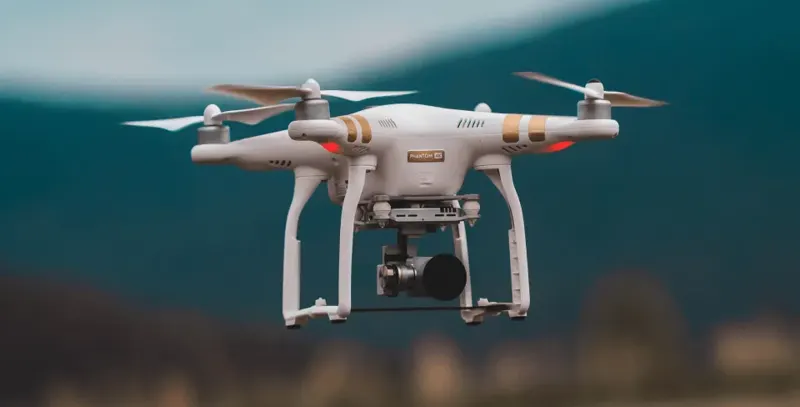
Drones aren’t just a hobby. Plenty of pilots turn them into a side income or a full business. But not every idea pays well, and some need serious training. Here are 10 realistic ways to make money with a drone, starting with the easiest to break into.
A quick reality check first. Drone work is a business like any other. Clients pay for reliable results, clear communication and turning up on time, not just for owning a drone. Pilots who treat it that way from day one tend to grow faster and charge more.
Before You Start: The Legal Bit
Getting paid to fly almost always counts as commercial operation. In the US that means a Part 107 Remote Pilot Certificate. In the UK and EU, the category and permissions depend on the drone and the job. You’ll also want liability insurance. Our drone laws for beginners guide and drone law checker are a good first stop.
1. Real Estate Photography
Estate agents love aerial photos and short videos of homes. It’s repeat work and a great way to start. Strong composition matters, so brush up on these drone photography tips.
2. Weddings and Events
Couples and event planners pay for unique aerial shots. Expect strict rules about flying near people, so plan carefully and get permission from the venue.
3. Roof and Building Inspections
Roofers, surveyors and insurers use drones to inspect hard-to-reach areas safely. It’s faster and cheaper than scaffolding, which makes it an easy sell.
4. Construction Progress Monitoring
Builders want regular photos and maps of a site from the same angles. That means steady monthly contracts.
5. Mapping and Surveying
With photogrammetry software, drone photos become accurate maps and 3D models. It pays well but needs training. Our ground sample distance calculator and mapping area calculator help you plan jobs.
6. Agriculture Services
Farmers use drones for crop health monitoring and spraying. Spraying needs extra permits and a specialist aircraft like the Skysdrone agriculture drone. Plan coverage with the spray coverage calculator.
7. Tourism and Hospitality Content
Hotels, resorts and tourist boards want fresh aerial content for websites and social media. A good portfolio here leads to steady referrals.
8. Stock Footage
Upload clips and photos to stock libraries and earn every time someone licences them. It’s slow at first but grows over time.
9. Teaching and Training
Once you’re experienced, you can run beginner lessons or workshops. New pilots value a patient teacher who can show them how to fly a drone safely.
10. Delivery and Logistics
Drone delivery is still growing and is mostly run by companies, not individuals. Watch the space and look at a cargo and delivery drone to see where it’s heading.
How Much Does It Cost to Start?
| Item | Notes |
|---|---|
| Drone and spare batteries | Biggest cost, depends on niche |
| Licence and training | Exam fees and study time |
| Insurance | Usually monthly or yearly |
| Editing or mapping software | Subscription |
| Website and marketing | Simple portfolio site to start |
Run your own numbers with our drone business income calculator. It shows monthly profit and how many months until you break even.
Tips for Landing Your First Clients
- Build a small portfolio with free or low-cost local shoots.
- Pick one niche and get known for it.
- Partner with estate agents, roofers or wedding photographers.
- Keep your gear reliable. A cancelled job hurts your reputation, so follow a regular drone maintenance checklist.
Is It Worth It?
For many pilots, yes, especially when you start part-time and grow steadily. Choose a niche you enjoy, stay legal and treat every job professionally. The flying is the fun part; the business habits are what make it pay.