Both types fly, both shoot video, and both can be a lot of fun. But a camera drone and an FPV drone are built for very different jobs. Picking the wrong one is the most common regret we hear from new pilots, so let’s compare them properly.
The short version is this: camera drones are about the result, and FPV drones are about the experience of flying. Neither is better overall. One will simply suit how you want to spend your time and money, and the sections below will help you see which one that is.
What Is a Camera Drone?
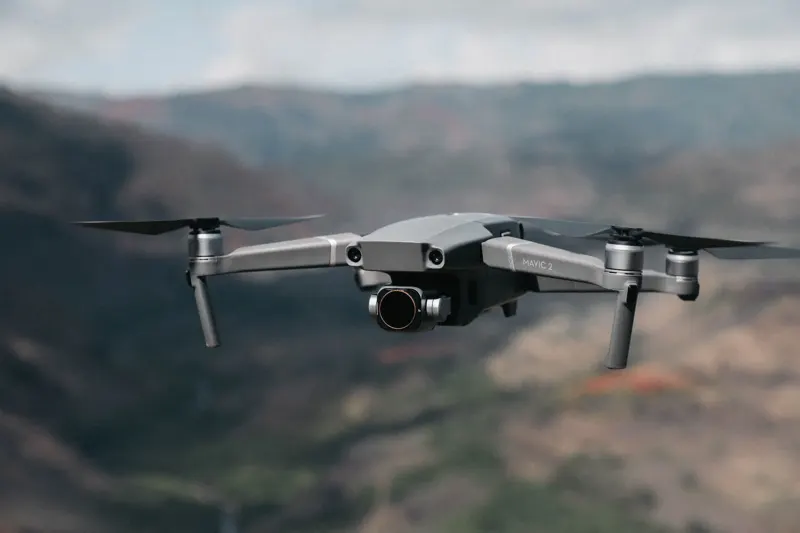
A camera drone is designed to capture stable photos and video. It uses GPS to hold its position, a 3-axis gimbal to keep the camera level, and smart modes to fly preset moves for you. You watch a live feed on your phone or a screen controller while the drone does most of the stabilising.
It’s ideal for travel videos, real estate photos, events, landscapes and inspections. Our Skysdrone camera drone page shows what a modern model can do.
What Is an FPV Drone?
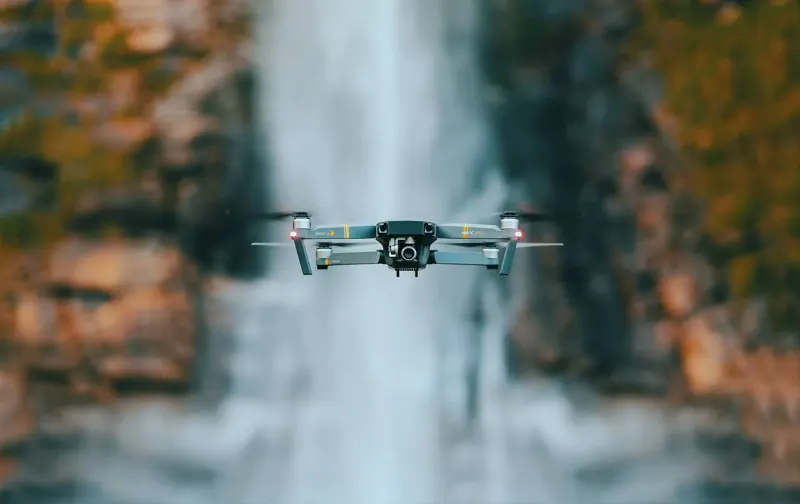
FPV means “first-person view”. You wear goggles and see a live feed from a camera on the drone, as if you were sitting in the cockpit. Most FPV drones are flown in manual or “acro” mode. There’s no automatic hovering, so you control every movement.
That’s what makes those fast, flowing shots through buildings and along mountain ridges possible. It’s also why FPV takes much longer to learn. Have a look at the Skysdrone FPV drone to see the typical setup.
Camera Drone vs FPV Drone at a Glance
| Feature | Camera drone | FPV drone |
|---|---|---|
| Learning curve | Easy, a few sessions | Steep, weeks of practice |
| Flight style | Stable, slow, precise | Fast, agile, acrobatic |
| Footage | Smooth and cinematic | Dynamic and immersive |
| Typical speed | Moderate | Very high |
| Crash risk | Low | High, repairs are normal |
| Best for | Photos, travel, work | Freestyle, racing, action |
Learning Curve: Be Honest With Yourself
With a camera drone, most people hover confidently on day one. FPV is different. Pilots usually spend 10 to 20 hours on a simulator before flying a real quad, and crashes are part of the process. If you enjoy learning a skill for its own sake, that’s half the fun. If you just want great shots quickly, it can be frustrating.
New to all of this? Start with how to fly a drone for the first time.
Footage and Creative Style
Camera drones shine at slow reveals, top-down shots and smooth orbits. Think property listings and sunset landscapes. Our drone photography tips are written with this style in mind.
FPV footage feels alive. It can dive down waterfalls, chase cars and fly through tight gaps. Brands love it for adverts, but it takes real skill to get it clean.
Cost, Repairs and Rules
FPV drones can be cheaper to start with, but goggles, a radio, batteries and spare parts add up. Repairs are expected, so you’ll learn some basic soldering.
Rules also differ. Flying with goggles usually means you need a visual observer next to you who can see the drone directly. Check the rules where you live with our drone law checker.
Which One Should You Choose?
Choose a camera drone if you want:
- Great photos and video with little practice
- Travel-friendly, low-stress flying
- Paid work like real estate or inspections
Choose an FPV drone if you want:
- The thrill of immersive, high-speed flight
- Action footage nobody else can get
- A hobby you’ll practise and improve at for years
Still unsure? Our quick camera drone vs FPV selector asks five questions and gives a clear answer. You can also compare both types side by side in the drone comparison tool, or read our wider guide on how to choose a drone.